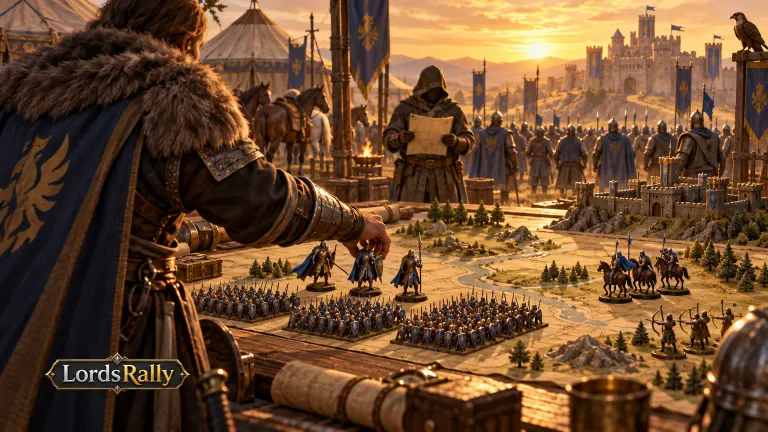
- You don't need to add a hero to a march to benefit from an administrative bonus; the relevant skill must be unlocked.
- For troop buffs, look at the troop type a hero supports rather than the hero's reputation.
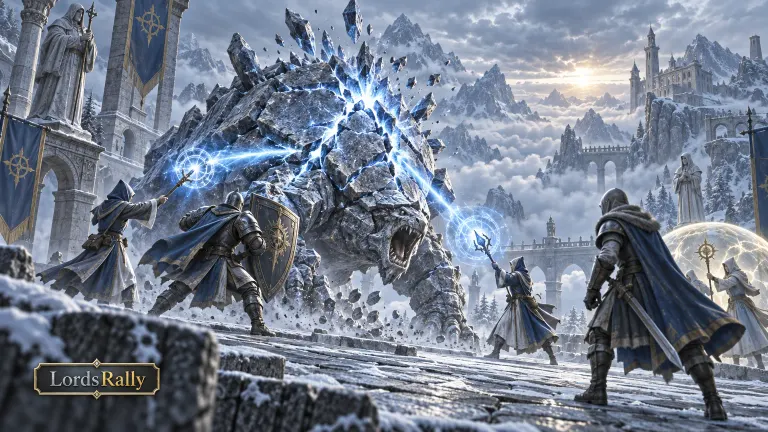
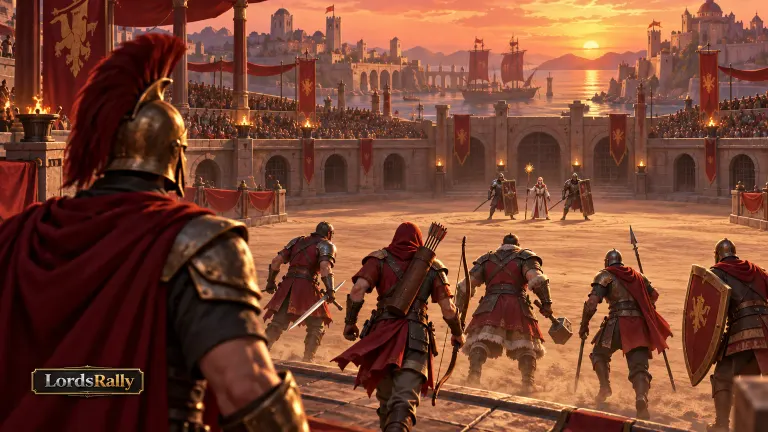
- In monster hunts and the Colosseum, a hero's combat skills matter more than army bonuses.
CONTENTS
A hero being useful for research doesn't mean you should bring them to a rally or a monster hunt. That's a common lineup mistake in Lords Mobile: reading every skill on a hero's card as though it belongs to one power ranking. A research-speed bonus, a buff for troops in a march and a skill used when heroes fight serve different purposes.
Say you're starting research, then marching on a target with your guild, then hunting monsters that evening. You're making three separate decisions in one day. This guide shows you where to look on the hero card for each one—not a five-hero lineup to memorize.
Start with the job, then read the skill
Choose heroes by what you're doing, not by name. Are you starting research, sending troops or entering a mode where heroes fight directly? The answer changes which part of the card matters.
For research and construction, check the administrative bonus. For an attack on a castle, check battle buffs that match the troops you're sending. For monster hunts, Hero Stages and the Colosseum, examine the hero's combat skills, such as damage, healing and protection. A hero can be useful in several areas, but success in one doesn't automatically carry over to another.
Here's a practical check: when you open the card, read what the skill affects before focusing on its name. If it says “Research Speed,” don't count it as rally damage. If it says “Army ATK,” don't assume it solves a healing problem in the Colosseum. Making that distinction also helps you avoid upgrades based on the wrong expectation.
Which part of the hero card matters?
| Your job | Skill to check | Mistake to avoid |
|---|---|---|
| Research or construction | Relevant administrative bonus | Adding the hero to a march just for the bonus |
| Sending troops | Army-wide or troop-type battle buff | Automatically picking a hero because they look powerful |
| Monster hunts or Colosseum | Hero combat skills | Mistaking an army buff for direct hero damage |
Administrative bonuses: No march required
Trickster's research bonus and Scarlet Bolt's construction bonus are two examples of why administrative skills deserve a separate look. Once the relevant skill is obtained and unlocked, you don't need to keep the hero in a march throughout the research to benefit from it. Assigning a hero to an army and benefiting from an administrative skill are different things.
Suppose you're about to start research and try to put Trickster in your castle defense lineup solely for that bonus. Check his research skill first. What matters is whether the skill is unlocked and what bonus it provides—not his place in the defense lineup. Likewise, don't conclude that Scarlet Bolt must stay off the map while construction is underway.
This matters for upgrades, too. Before spending resources on a hero, ask: “Which skill will this upgrade improve?” Don't treat an increase in overall hero strength as proof that the administrative bonus you want has increased. Check the skill's value in-game. That small check makes priorities clearer when you're planning research and construction at the same time.
Battle buffs: Match them to your troops
When sending an army, distinguish buffs that affect the whole army from those that affect a specific troop type. A troop-specific buff is valuable when that troop type actually plays a role in your march. Picking a hero just because they look powerful doesn't mean their skills suit the troops you're sending.
For an infantry-heavy march, look at your troop composition first, then open your chosen heroes' battle skills. If a skill supports another troop type, consider an alternative before adding that hero out of habit. Conversely, don't read an army-wide buff as though it applies to only one troop type. The goal isn't to gather the “five most famous heroes”; it's to select skills that fit your march.
The same reading discipline helps on defense. When a rally threatens your castle, don't infer a castle-defense bonus from a hero's role in direct combat. Settle your troop composition and formation decision first, then check the relevant battle skills. For more lineup examples, see the battle heroes by troop type guide.
Monsters and Colosseum: Focus on combat skills
In monster hunts and the Colosseum, heroes fight directly. An army troop buff cannot tell you what a hero will do in that fight. Consider Prima Donna's healing role: the useful question isn't “Which troop type does she give ATK to?” but “Does this team need healing during combat?”
If your Colosseum team deals damage but falls apart early, don't immediately add more damage. Watch when your heroes go down. If protection or healing is missing, changing a skill role may help more than adding a hero with high attack. If your team survives but cannot finish the opponent, investigate damage and target access instead. Two losses that look alike can require two different hero choices.
For monster hunts, watch what your lineup does against the monster you're hunting. Do your heroes survive but deal too little damage, or do they fall before they can contribute? In the first case, revisit your damage choices. In the second, review survivability and skill synergy. The damage-type guide covers the next decision: choosing physical or magical damage for a monster.
Final check: Make three decisions for three jobs
Picture an event day: you start research, join a guild attack, then hunt monsters. For research, check whether the administrative skill is unlocked. For the attack march, select battle skills that fit your troops. For the monster hunt, reassess your team's combat skills. The right hero for the first job isn't automatically right for the third.
Keep timing intelligence separate from lineup decisions, too. LordsRally's shield-drop notifications and rally alerts help you notice developments in your kingdom; you still decide which heroes join your march. See the available tools on the commands page and notification coverage on the features page. Spotting a target in time won't fix a poor match between your troops and heroes.
Before confirming a march, ask yourself three questions: Which troops am I sending? What do my chosen heroes' relevant battle skills buff? Am I including a hero only because they're good in another mode? Repeat this check and you'll start choosing for each march's purpose instead of relying on a fixed lineup.
For help with another hero decision, browse the game guides on the blog or send us your question.
Quick hero check before a march
- Identify the troop composition you're sending.
- Compare your chosen heroes' battle skills with that composition.
- Reassess heroes you kept in the lineup only because they perform well in another mode.
Frequently Asked Questions
Do I need to add Trickster to my army for the research bonus?
No. Once the relevant administrative skill is obtained and unlocked, you don't need to add Trickster to a march to benefit from his research bonus.
Does an Army ATK bonus increase hero damage in monster hunts?
Don't treat an army battle buff as the same thing as a skill a hero uses while fighting a monster. Evaluate your monster-hunt lineup by the heroes' combat skills.
Can I use the same five heroes for war, monsters and the Colosseum?
You can, but each mode benefits from different skills. If you want the best result, reassess the lineup for each job.
LordsRally tracks your target castles, finds them again after they teleport and alerts your guild.
Buy Now