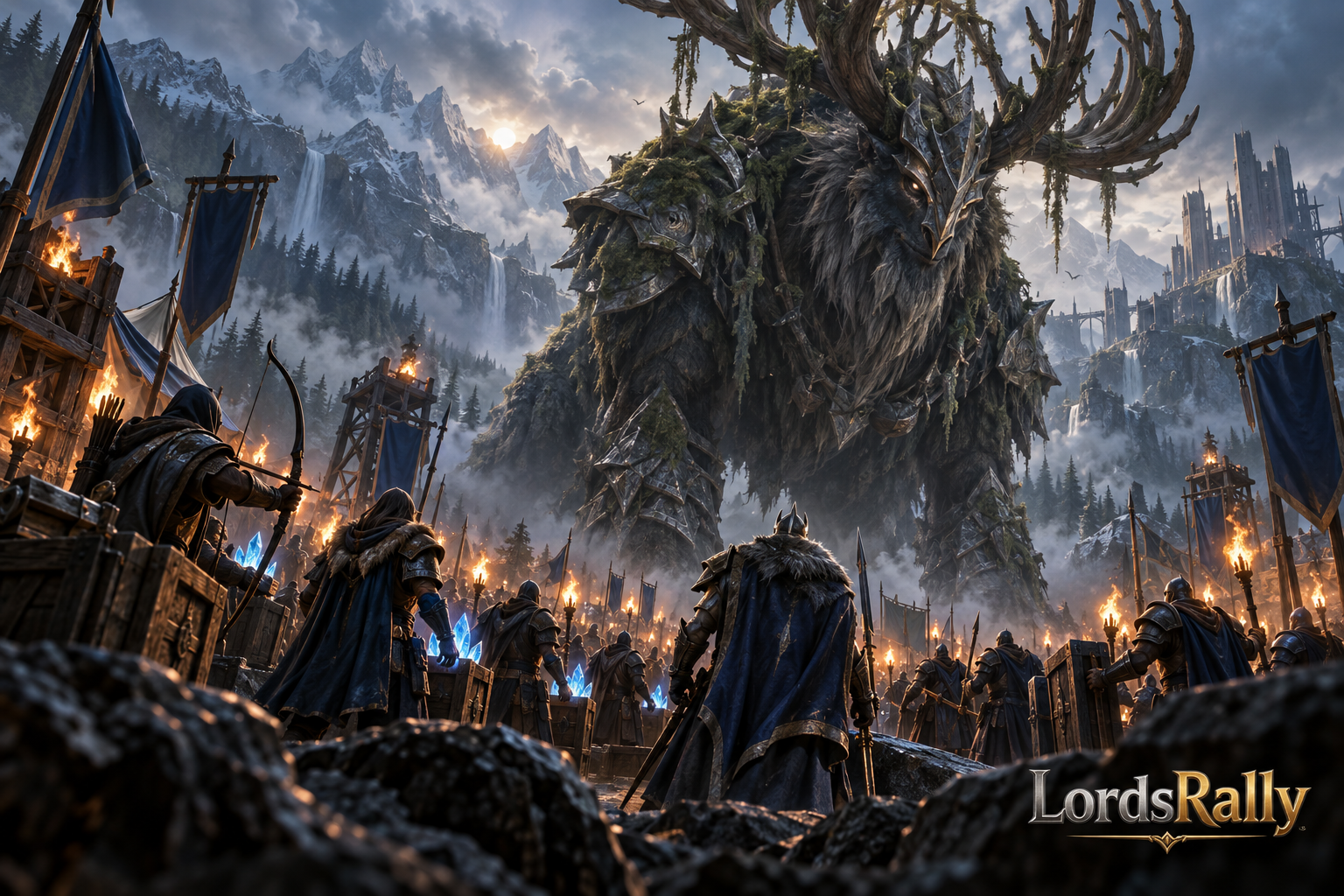
 Monster Hunt
Lords Mobile Monster Hunting Guide: Kill More Monsters Without Wasting Energy
In Lords Mobile Monster Hunting, energy often disappears without you noticing: you hit the first monster you see on the map, deal low damage, leave the target unfinished, and end the day with neither energy nor clear rewards. But being a good hunter is not just about having high-level monster hunting gear. The real point is knowing why you are hitting a specific target, choosing heroes suited to physical or magic damage, and combining your guild's energy on the same target at the right time.
The goal of this guide is not to chase the highest solo damage, but to spend energy on hits that have a high chance of actually killing a monster. Especially during events, this approach creates a noticeably more consistent flow of guild gifts and personal rewards.
Why Random Hits Waste Energy
Seeing a high-level monster on the map does not always mean you have found a good target. As a monster's level rises, its reward potential may increase, but so does the total damage needed to kill it. If you and your guild cannot finish the target, the energy you spend may provide short-term progress without turning into a kill reward.
Instead, divide targets into three groups:
- Killable target: A monster near your guild, with multiple members ready to hit it.
- Test target: A monster where you spend one or two hits to test the damage type or hero lineup.
- Skip target: A high-level target without nearby support, close to timing out, or too difficult for your guild to finish.
Example: Imagine there are two monsters in the same area. Three more guild members can hit one of them, while only you can reach the other. Even if the second target is higher level, the first one has a much higher chance of being killed. In Monster Hunting, put completion probability, not level, at the center of your decision.
You can also set a simple rule for your guild: if the first two players deal low damage to a target, switch targets instead of dumping everyone's energy into it. This reduces wasted hits, especially during the limited energy windows of active members.
Test the Monster's Damage Weakness: Physical or Magic?
Lords Mobile monsters do not all have the same defensive structure. A physical-focused hero lineup may perform better against some targets, while magic damage clearly stands out against others. That is why sending your highest-level heroes to every target is not an efficient method.
A reliable method is:
1. Note the lineup you use for the first hit.
2. For the second attempt, use a team with a different damage type whenever possible.
3. Compare the results under the same conditions: if hero level, gear set, and research have not changed, you can see which group performs better.
4. Shift your following hits to the better-performing lineup.
For example, if your first physical team hit barely moves the target's health bar, while a similarly strong magic-focused attempt creates a more noticeable drop, the message is clear: stop forcing physical damage and switch to a magic-heavy setup for that monster.
The important distinction is this: one low-damage hit does not necessarily mean your heroes are weak. Hero level, skill level, monster hunting research, and hunting gear all affect the result. But comparing two different lineups on the same account reveals the target's weak point.
Use a small format to share these tests within your guild:
- Monster level
- Damage type used
- Hit order
- Approximate result: low / medium / strong
This prevents your guild from starting every test from zero when the same monster appears again. To keep your past hunting notes organized, you can also get ideas for a guild routine from the strategy guides on blog.
Build a Hunting Route Instead of Spending All Energy on One Target
A good Monster Hunting route is not dumping all your energy into the first target you see. A better approach is to split your hunting energy into three parts:
- Main targets: Monsters your guild has decided to kill.
- Quick tests: Newly appearing targets or monsters whose damage weakness is still uncertain.
- Flexible energy: The portion you save for coordinated guild calls that appear later in the day.
A practical example: if you have energy for 15 hits during the day, you can use 10-11 hits on main targets your guild is likely to finish, 2 hits on tests, and save the remaining 2-3 hits for coordinated hunts that open later. This is not a fixed game rule; it is a guild habit that keeps energy under control.
The biggest advantage of this plan is that it stops you from being completely out of energy during event hours. Many players consume all of their energy alone at the start of the day, then cannot contribute when the guild finds a strong target that can actually be killed.
Also account for travel time to the target. Instead of planning solo hits on a distant monster, prioritize targets that appear near the guild hive to speed up coordination. Especially in hunts where several players join at once, delays can result in the monster disappearing or another group finishing it first.
How to Set Up a Monster Hunting Rotation Within Your Guild
Monster hunting looks individual, but the most efficient results usually come from guild coordination. Since killed monsters generate guild gifts, having the team move toward the same target at the right time matters just as much as one player's high damage.
For an R4/R5 or the player organizing the hunt, a simple rotation is enough:
- Post the target seen on the map in guild chat.
- Share the monster's level and approximate location.
- State whether physical or magic damage has been tested.
- Give members a short time window to join.
- If the first hits are weak, make the decision to switch targets quickly.
Example call: “Level 3 target, magic damage works better. Players nearby, join with two hits; if we do not make enough progress within 5 minutes, we are switching to the other target.” A clear message like this is far more effective than saying “everyone hit it.”
Another mistake is having every player attack a different target. Instead of five players leaving one hit on five separate monsters, focusing on two targets usually produces more completed hunts. If your guild has lower power, reduce the number of targets. If it is strong and active, opening two hunting groups at the same time makes more sense.
War intelligence is a separate topic from Monster Hunting coordination, but you can use LordsRally notifications to avoid missing event monsters on the map. The system supports event monster alerts, and the `!mobs` command helps you view special monsters on the map. You can review all available tools on the commands page.
Gear and Research: Optimize Consistency, Not Just Damage
The purpose of equipping monster hunting gear is not to take one impressive screenshot. It is to produce more value from the same energy over the long term. Keeping your hunting set separate from your war gear reduces the risk of hitting with the wrong equipment.
Your checklist should include these three points:
- Is your monster hunting gear set ready?
- Are your monster hunting researches progressing consistently?
- Are your heroes' skills and levels suited to the targets you hunt most often?
Do not rush when changing gear. Hitting a monster with your war set and then forgetting to switch gear back for a rally or defense can create a bigger risk than what you gain from the hunt. Make it a habit to return to your war set after hunting.
A good guild practice is making a weekly list of “which lineup is more efficient against which monster?” You do not need full damage tables for this; a three-level record is enough: strong, medium, weak. This approach also makes it easier for new members to start on the correct target with the correct team.
The multi-kingdom and event tracking tools listed on LordsRally's features page can provide operational visibility for guilds playing across multiple kingdoms. However, the foundation of hunting efficiency still comes from heroes, energy, and guild discipline.
A 5-Minute Daily Monster Hunting Routine
Your daily routine does not need to be complicated. Apply these steps in five minutes:
- First, check whether there is an active hunt call in guild chat.
- Evaluate two or three nearby targets by level and likelihood of receiving support.
- Test two different damage types on a monster you are unsure about.
- Preserve your energy instead of insisting on a target with a low chance of being killed.
- At the end of the hunt, share a short note about which lineup worked well against which target.
This system builds your guild's shared memory within a few days. After a while, players stop waiting and asking “who is hitting this monster?” because they already know which team works and which targets should be skipped.
Frequently Asked Questions
Should I hit a high-level monster or an easier monster in Monster Hunting?
Your priority should be a target your guild can realistically kill. A high-level target may look more appealing, but if there is not enough participation and damage, it consumes energy without turning into a completed hunt reward.
How do I know whether to use physical or magic damage against a monster?
The safest method is to run two controlled tests. Under the same account conditions, compare physical-focused and magic-focused lineups, then use the damage type that creates clearly better progress.
Should guild members hit different monsters or focus on one target?
It depends on the number of active players and available energy in your guild. With limited participation, focusing on one or two targets is more efficient. If you have many active players, multiple targets can be handled through separate groups.
Success in Monster Hunting does not come from spending energy quickly. It comes from turning every hit into a kill, a guild gift, or knowledge for the next hunt. To build your guild's hunting routine, explore other war tools, and access more game guides, follow the blog page.
Готовы попробовать бота?
НачатьКомментарии (0)
Комментариев пока нет. Будьте первым!